Allergies are a common problem in homes, affecting millions worldwide. From sneezing and itchy eyes to congestion and asthma triggers, allergens like dust, pollen, and pet dander can make daily life uncomfortable.
A common question is: can air purifiers help with allergies? The answer is yes — when you choose the right purifier and use it correctly.
How Air Purifiers Reduce Allergens
Air purifiers improve indoor air quality by pulling in air, trapping harmful particles, and releasing cleaner air back into the room. They target common allergens, such as:
- Dust mites – microscopic creatures in bedding and carpets
- Pollen – from trees, flowers, and grass
- Pet dander – tiny skin flakes from dogs, cats, and other pets
- Mold spores – airborne particles from damp areas
The Role of HEPA Filters
True HEPA filters are the gold standard for allergy relief. They capture 99.97% of particles as small as 0.3 microns, effectively trapping dust, pollen, and dander.
For allergy sufferers, HEPA filtration is key to reducing symptoms indoors. Some purifiers also feature pre-filters for hair and larger particles, extending the life of the HEPA filter.
Activated Carbon for Odor and Irritants
While HEPA filters handle particles, activated carbon filters address odors and chemical irritants that can worsen allergy symptoms, including:
- Smoke
- Cooking odors
- VOCs from cleaning products
A combination of HEPA + carbon filters provides a comprehensive solution for allergy-sensitive homes.
Placement and Usage Tips
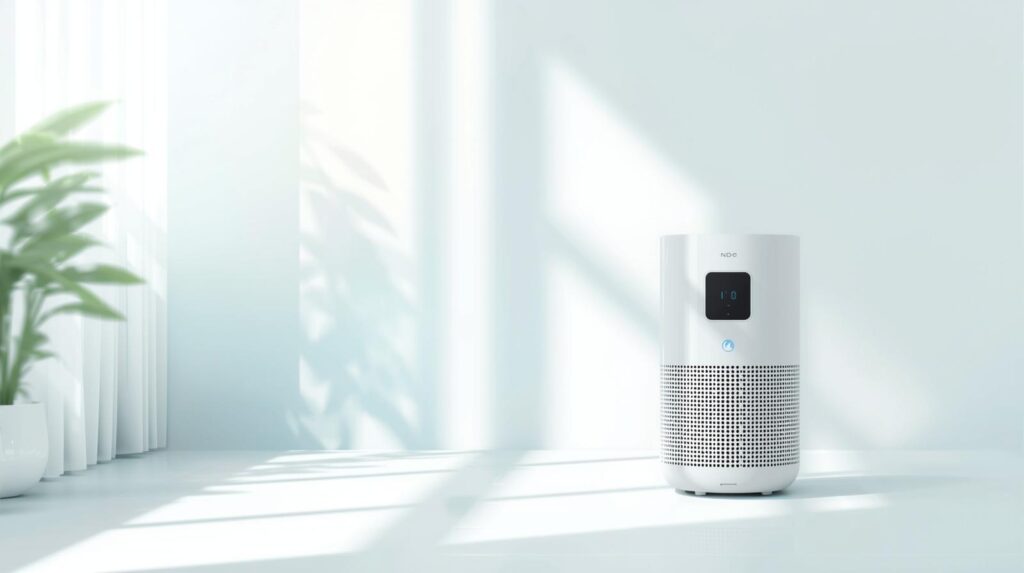
For maximum allergy relief:
- Place the purifier near allergen sources – e.g., bedrooms, living rooms, or pet areas
- Run continuously – allergies are triggered by even small amounts of particles
- Match CADR to room size – ensures proper air changes per hour
- Maintain filters – replace HEPA and carbon filters regularly to maintain efficiency
Limitations to Know
Air purifiers can greatly reduce airborne allergens, but they are not a cure. They do not:
- Remove allergens already settled on furniture or floors
- Replace cleaning, vacuuming, or washing bedding
- Eliminate outdoor allergens from entering your home completely
Use purifiers in combination with proper cleaning and ventilation for best results.
Extra Benefits
In addition to allergy relief, air purifiers also:
- Reduce asthma triggers
- Remove smoke, dust, and odors
- Improve overall indoor air quality for better sleep and comfort
Final Thoughts
So, can air purifiers help with allergies? Absolutely. A True HEPA filter combined with activated carbon, properly sized for your room and placed correctly, can make a noticeable difference in your symptoms.
For anyone sensitive to dust, pollen, pet dander, or mold, investing in a quality air purifier is a practical step toward cleaner, healthier indoor air.